

How Silver Is Refined Before It Becomes Bullion
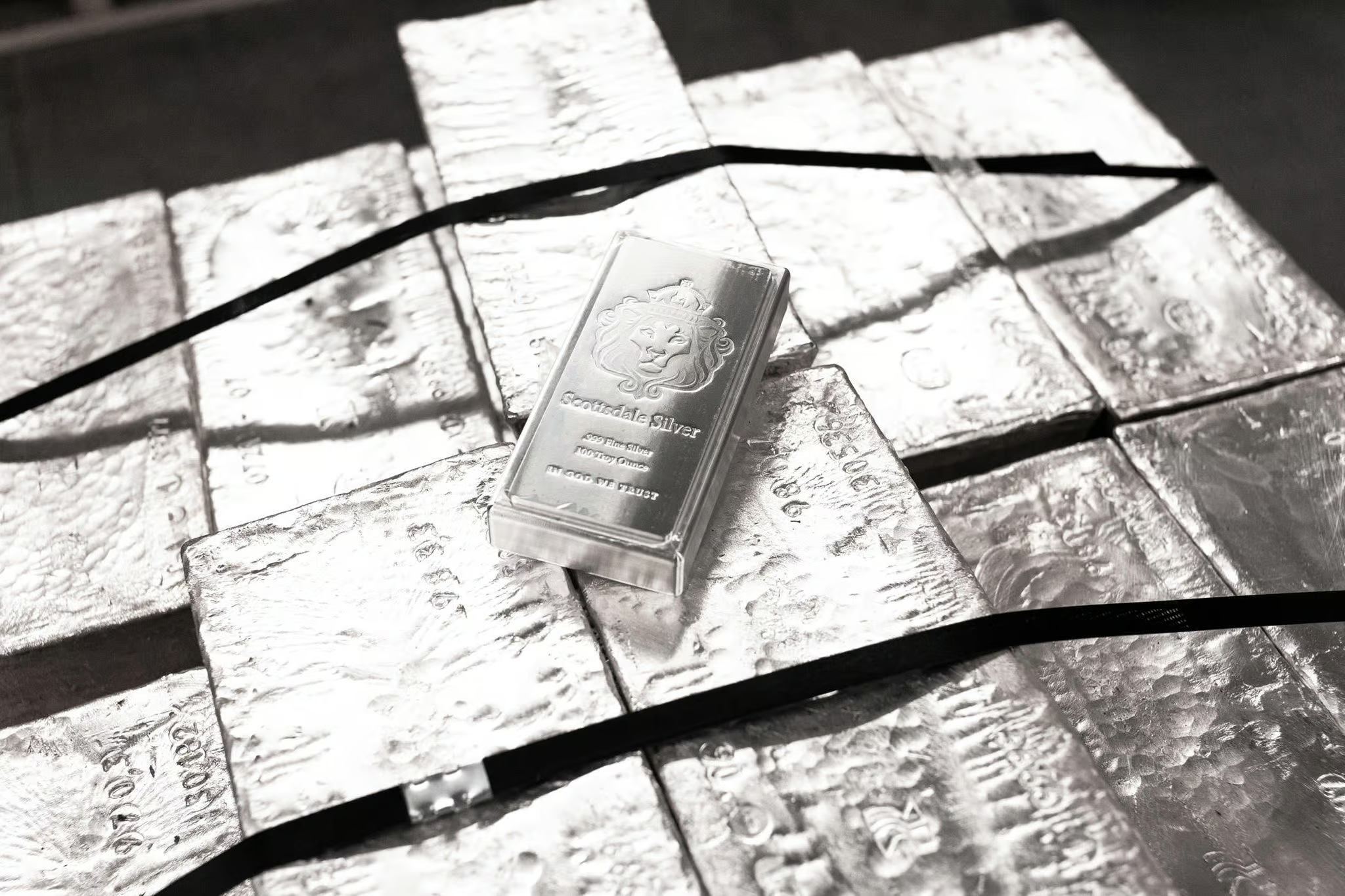
Most people think silver starts life as a shiny bullion bar waiting to be stamped into coins and minted bars. That’s retail thinking, not industrial reality. Before silver becomes bullion, it usually moves through a much messier chain involving mining, concentration, metallurgical recovery, refining, assaying and standardisation. USGS materials show that silver is heavily produced as a by-product of lead-zinc, copper and gold operations, which means silver supply is tied to the wider mining economy rather than just primary silver mines.1
Silver often begins as a by-product, not a standalone stream
This matters because it changes how silver enters the market. If silver is recovered from broader base-metal operations, then the speed and economics of silver supply depend partly on what is happening in those other sectors. That is one reason silver can feel tight even when people assume “there should be plenty of it.” The silver pipeline is riding on top of larger industrial systems before it ever reaches bullion form.
Refining is where raw silver becomes commercially usable
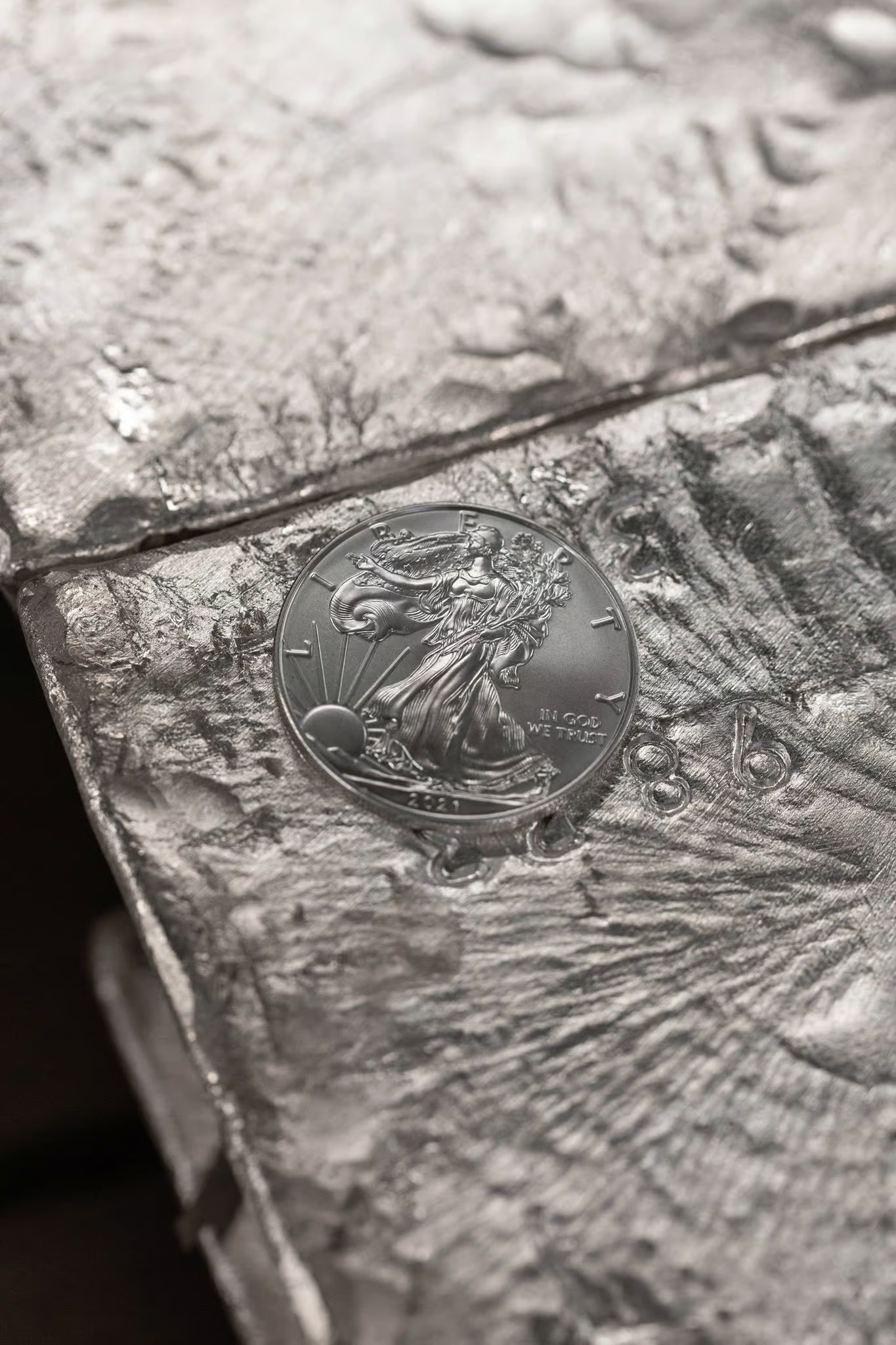
Once silver-bearing material has been processed and recovered, it still has to be refined to the purity needed for bullion channels. Valcambi lists Moebius electrolytic silver refining and wet-chemical silver refining among its official refining services, which gives you a good primary-source anchor for how serious refiners treat silver conversion. Refining is not just about making metal purer. It is about making it standardized, assayed and fit for recognised market use.2
Why purity matters
Bullion markets work because wholesale bars are fungible. The London Bullion Market Association’s Good Delivery standards exist to make that possible. LBMA says standard Good Delivery silver bars are approximately 1,000 troy ounces and require a minimum fineness of 999.0, while gold bars are around 400 troy ounces with a minimum fineness of 995.0. Those rules matter because they define what high-quality wholesale feedstock looks like in a major bullion market.3
Refining silver is not the same thing as manufacturing a retail product
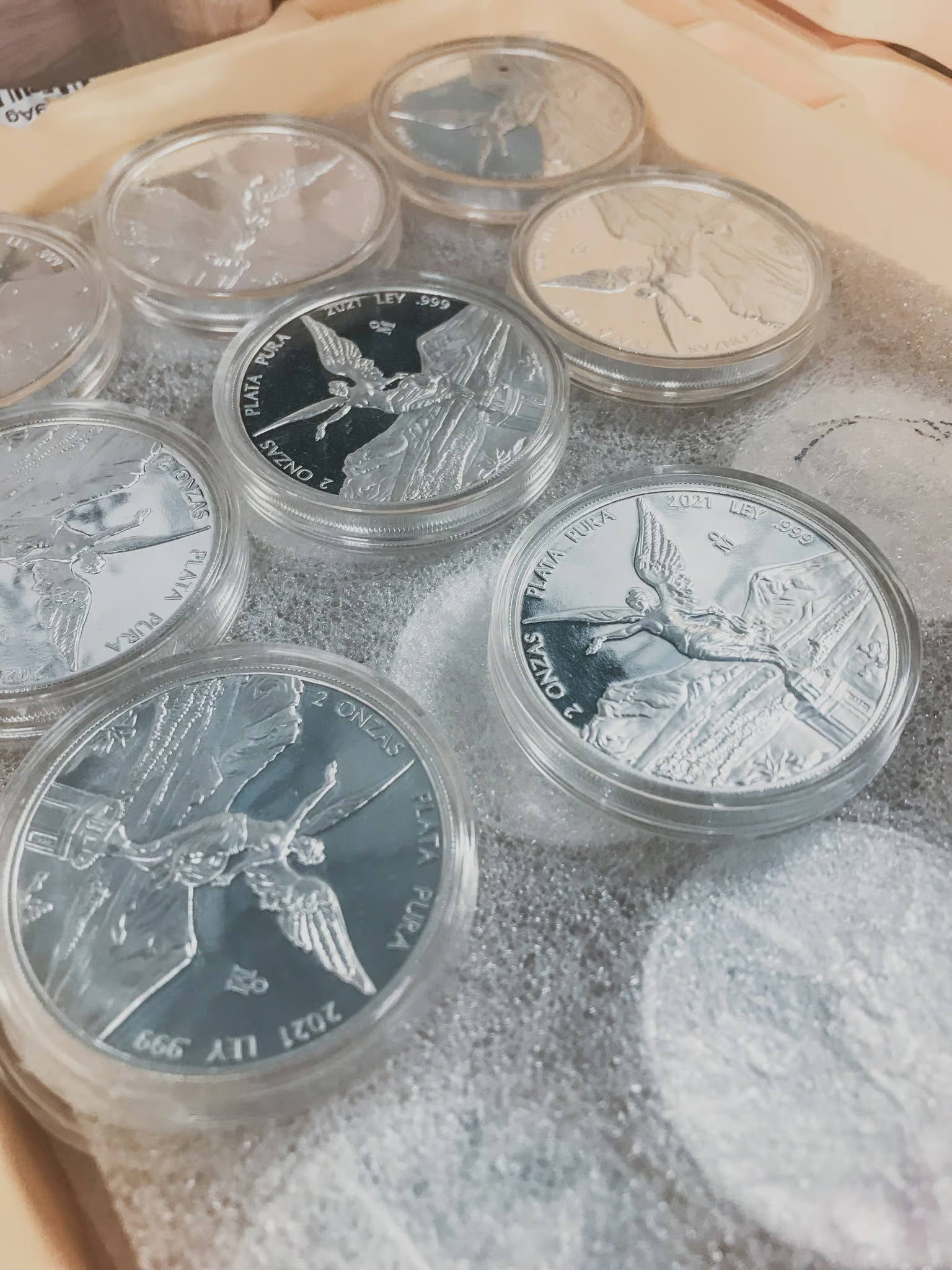
This is where buyers often get confused. Even after silver is refined into a recognised wholesale form, it is still not a finished retail bullion product. A Good Delivery silver bar is not the same thing as a minted 1 oz bar in assay or a struck silver coin. Wholesale bullion is feedstock for trading, storage, delivery and further conversion. Retail products still require fabrication, blanking, striking, finishing and packaging.
Why “silver exists” does not mean “product is ready”
The Perth Mint made this distinction directly in its January 2026 notice. It said there was no silver shortage at the Mint, but demand for silver in specific forms was creating manufacturing pressure and backlog. That is exactly the point. Metal can exist in aggregate while the wrong form, wrong location or wrong stage of processing still causes product delays downstream.4
Above-ground inventory matters when the market is tight
In a balanced market, refiners and fabricators can rely more comfortably on steady throughput. In a tight market, already-refined bullion becomes more strategically important. The Silver Institute said in February 2026 that the silver market was expected to remain in deficit for a sixth consecutive year and would continue relying on bullion released from above-ground inventories.5 That is a major clue: when fresh supply is not enough, already-refined metal stored in the system becomes part of the balancing mechanism.
Refining delays can flow directly into retail delays
If a refinery is under pressure, the effects do not always show up as a dramatic shortage headline. Sometimes the first visible signs are slower feedstock conversion, longer fabrication lead times, higher premiums and delayed product releases. That is one reason buyers should not think of silver as a simple on/off supply story. There is metal, there is refined metal, there is recognised wholesale metal, and then there is the fabricated retail product at the end of the chain. Those are not the same thing.
Final thoughts
Silver refining sits in the middle of the precious-metals pipeline, not at the end. It is the stage that turns recovered metal into a standardised, assayed and commercially usable bullion form. But that still leaves more work before a retail buyer sees a coin or minted bar on a product page. That is why understanding refining helps explain both silver availability and silver delays.
- 2025 Silver Institution Silver Survey ↩︎
- Valcambi’s Refining Process ↩︎
- LMBA’s good delivery rules ↩︎
- Perth Mint’s january silver notice ↩︎
- Global Silver Institutes article on strong silver demand ↩︎
Related Articles:
Why Silver Coin Preorders Get Delayed