
1999 International Year of Older Persons Coin Value Guide
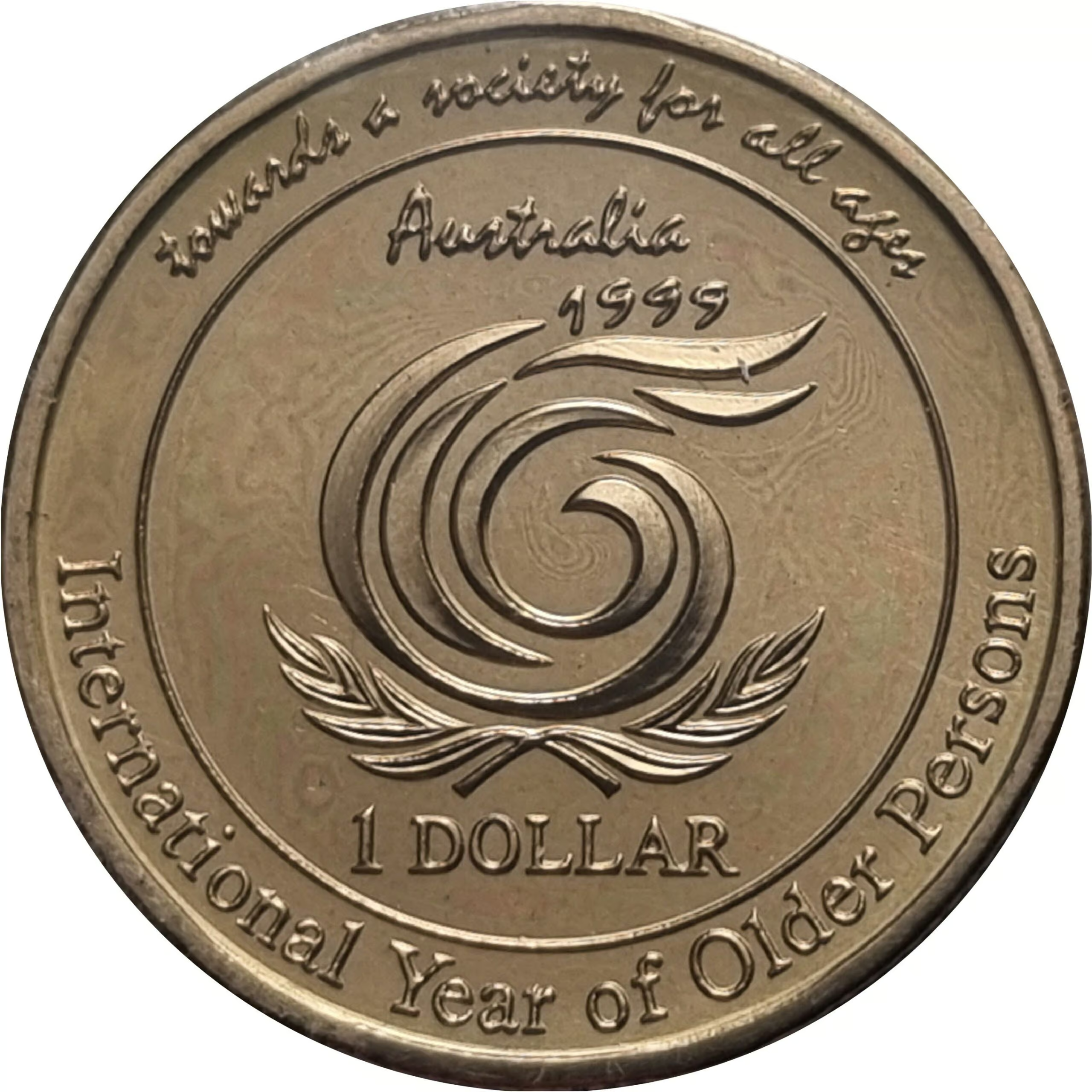
In 1999, Australia issued a commemorative $1 coin for the United Nations’ International Year of Older Persons with the theme “Towards a Society for All Ages.” Collectors and searchers often call it the international year of older persons coin, the 1999 1 dollar coin, or the 1999 international year of older persons $1 issue.
The key point for collectors is simple: most examples found in everyday change are common and are usually worth their face value of $1. In other words, the 1999 1 dollar coin value in typical circulated condition is face value; people often ask about international year of older persons coin worth, but circulation pieces rarely bring more. Meaningful premiums typically come from uncirculated (UNC) coins, proof coins from collector sets, or genuine mint errors.
The Story Behind the Design: Why the UN Honoured Seniors in 1999
Back in 1999, the United Nations designated a global celebration for seniors, recognising that people were living longer, healthier lives. The campaign focused on building “a society for all ages,” encouraging respect, inclusion, and connection across generations.
Australia joined the celebration by striking a special reverse design on an everyday $1 coin—so the message could circulate widely, not just sit in a display case.

Identifying Your Coin: The ‘Towards a Society for All Ages’ Logo and the Fourth Effigy
On the reverse (tails), you’ll see the official “Towards a Society for All Ages” logo—often described as abstract, flowing figures—along with the 1999 date. This commemorative “1999 coin dollar” is sometimes catalogued that way in online listings and price guides.
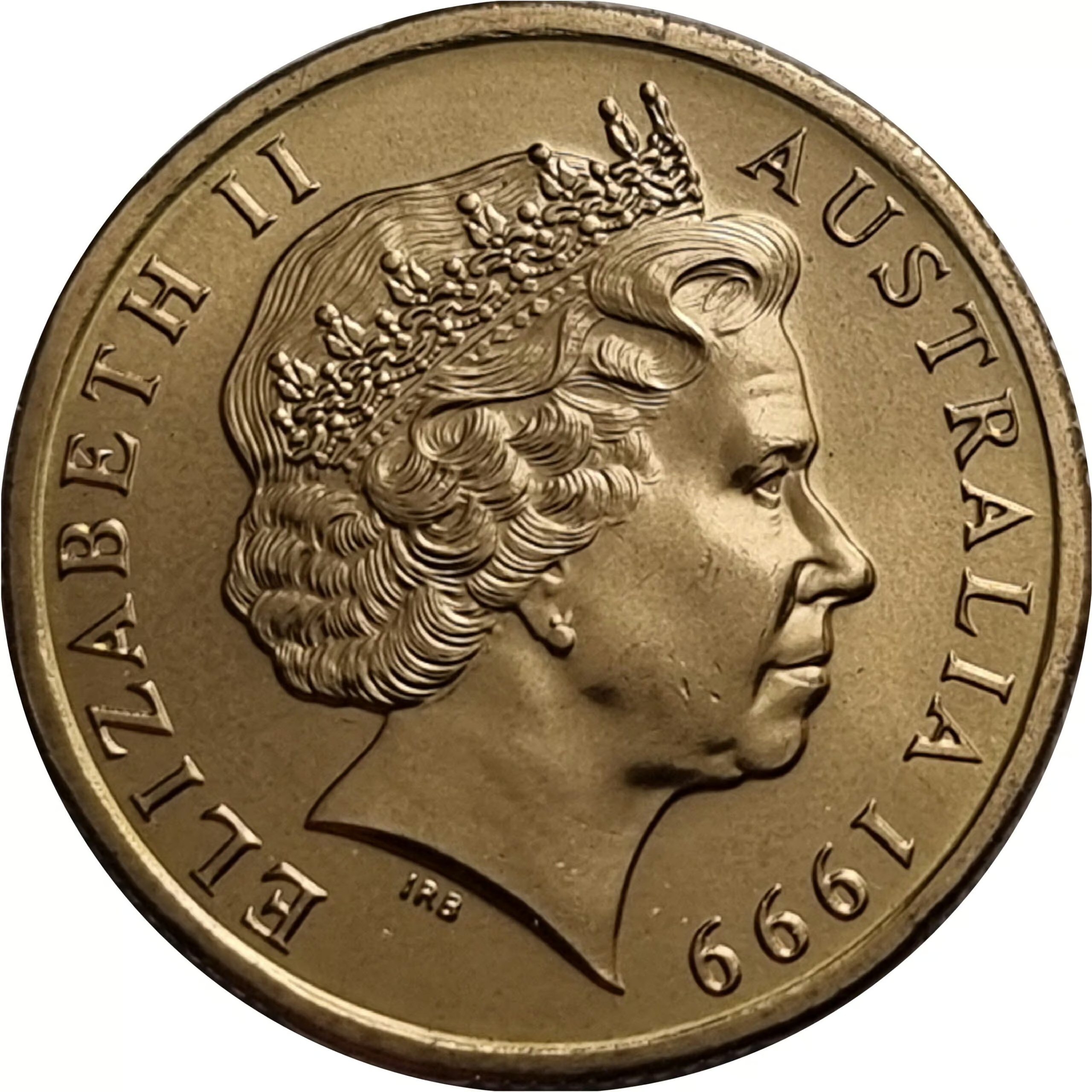
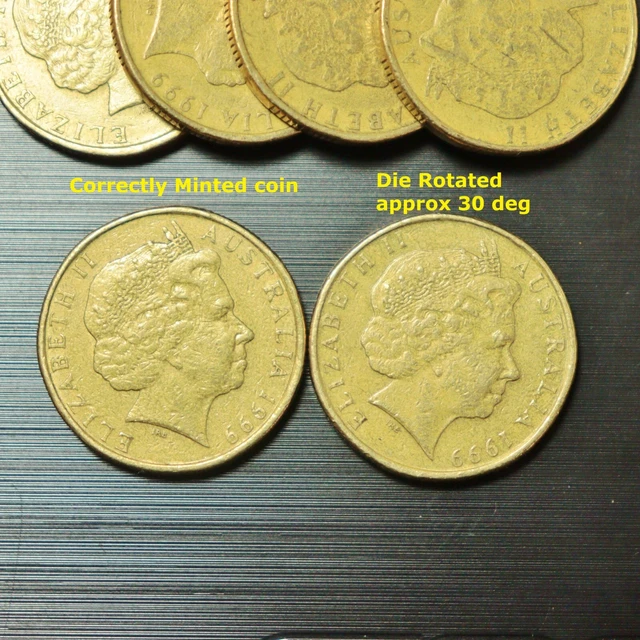
On the obverse (heads), you’ll find Queen Elizabeth II’s portrait used on Australian coinage at the time (the “fourth effigy”). Look for the small IRB initials near the portrait, indicating designer Ian Rank-Broadley.

What Is It Really Worth? Why Most Are $1
The Royal Australian Mint produced these coins in very large numbers for circulation, so supply is high. That’s why a typical circulated example—scratches, contact marks, and wear from use—generally trades at face value. Put simply, the 1999 one dollar coin value in average circulation is $1.
- Circulated: usually $1
- Uncirculated (UNC): can command a premium because it retains original lustre and minimal marks (often sold from rolls/collector sources)
- Proof: higher premiums are common due to special struck quality and mirror-like fields (typically sold as part of official proof sets)
If you’re trying to pin down a current price, the fastest reality-check is to compare your coin’s condition to recent sold listings and, for higher-end examples, consider a reputable dealer appraisal. When searching online, phrases like “1999 1 dollar coin international year of older persons value” can help you find relevant sales results and market discussions.
Errors to Watch For: Cuds and Rotation Errors
Because most standard coins are worth $1, collectors often look for mint errors. Two of the more talked-about types are cud (die break) errors and rotation errors:
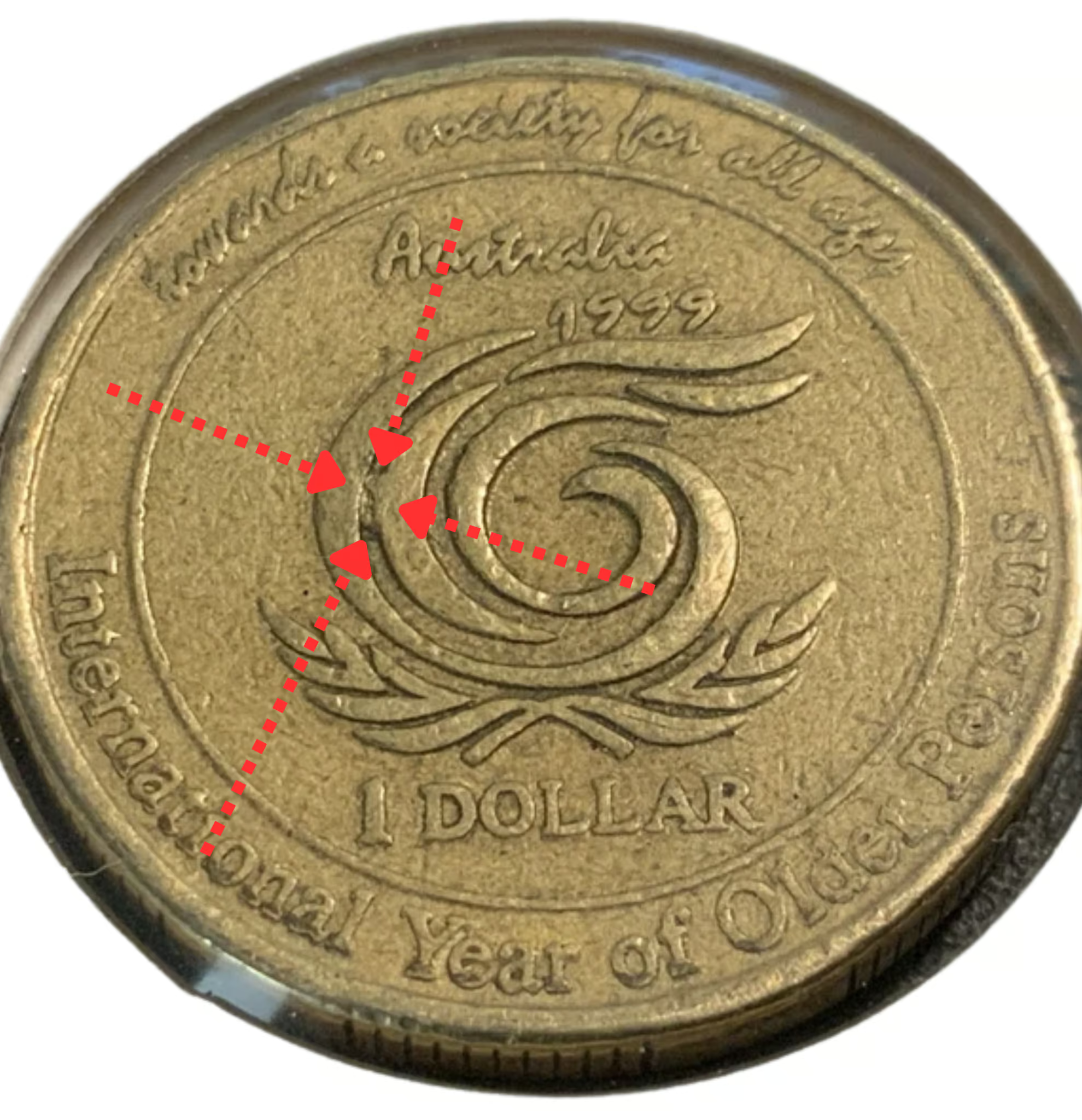
- Cud (die break) error: A “cud” happens when a piece of the coin die (the hardened steel stamp) cracks or breaks away near the edge. When the coin is struck, metal flows into that missing area, creating a raised, irregular blob or shelf—often touching the rim. (It will be raised, not an incuse scratch.)
- Rotation error: This occurs when the obverse and reverse aren’t aligned correctly. To check, hold the coin upright with the Queen’s portrait facing you, then flip it top-to-bottom. On a normally aligned coin, the reverse design should appear upright. If the reverse is noticeably off—for example, about 90 degrees clockwise or anticlockwise from upright—that’s a rotation error.
Values for errors vary widely depending on how dramatic the error is and collector demand—so if you think you’ve found one, set it aside and have it assessed rather than spending it.
Preserving Your Find: Why You Should Never Clean a 1999 Coin
Cleaning can permanently reduce collector value by damaging the coin’s surface. If you’re keeping it, handle it by the edges and store it in a PVC-free holder (capsule, flip, or archival page).
Next Steps
If your coin is worn, it’s most likely a $1 curiosity and a fun piece of commemorative history. If it’s truly UNC/proof quality—or shows a clear cud or rotated reverse—photograph it clearly (both sides) and consider a reputable Australian coin dealer or grading service for an opinion.
Q&A
Question: Are most 1999 International Year of Older Persons $1 coins worth more than face value? Short answer: No—most examples found in everyday change are worth $1. The Royal Australian Mint produced very large numbers for circulation, so typical circulated coins with wear and contact marks usually trade at face value. Meaningful premiums generally apply only to uncirculated (UNC) coins, proof coins from collector sets, or genuine mint errors.
Question: How can I confirm I have the right coin and identify the designer? Short answer: Look for the special reverse with the “Towards a Society for All Ages” logo and the 1999 date. On the obverse, you should see Queen Elizabeth II’s “fourth effigy.” Near the portrait, find the small IRB initials—these indicate designer Ian Rank-Broadley.
Question: What’s the difference between circulated, uncirculated, and proof for this coin? Short answer: Circulated coins show wear and marks from use and are usually worth $1. Uncirculated (UNC) coins retain original mint lustre with minimal marks and can command a premium, often sourced from rolls or collector channels. Proof coins have specially prepared, mirror-like fields and sharper detail; they were sold in official proof sets and typically bring higher premiums than UNC.
Question: Which errors should I look for, and how do I check for a rotation error? Short answer: Two talked-about errors are cuds and rotation errors. A cud (die break) appears as a raised, irregular blob near the rim where metal filled a broken part of the die. To test for a rotation error, hold the coin upright with the Queen’s portrait facing you, then flip it top-to-bottom; on a normal coin the reverse should also appear upright. If the reverse is noticeably off (e.g., around 90 degrees), that’s a rotation error. Error values vary widely by severity, so set suspected pieces aside for assessment.
Question: How should I store the coin, and is it okay to clean it? Short answer: Don’t clean it—cleaning can permanently reduce collector value. Handle the coin by the edges and store it in a PVC-free holder (capsule, flip, or archival page). If you think you have an UNC/proof example or a clear error, photograph both sides and consider a reputable Australian coin dealer or grading service for an opinion.